You've got stuff to get rid of and two main options: hire a junk removal crew or rent a dumpster and do it yourself. Both get the job done, but they're designed for different situations. Here's an honest breakdown so you can pick the right one without overpaying — or underestimating the work.
The core difference
Junk removal is a full-service option. A crew shows up, loads everything, and hauls it away. You don't touch a thing. It's done in hours.
Dumpster rental is a self-service option. A container is dropped in your driveway, you fill it on your own schedule, and it's picked up when you're done (or when time runs out). You do all the loading yourself.
The right answer depends on your project type, your timeline, and whether you want to do the work.
Side-by-side comparison
- Who does the loading? Junk removal: our crew. Dumpster: you.
- Typical cost in CT: Junk removal $159–$649 (volume-based). Dumpster $250–$600 per week (size-based).
- Time to complete: Junk removal — hours (same or next day). Dumpster — days to weeks.
- Good for: Junk removal — one-time cleanouts, large furniture, appliances, estate hauls. Dumpster — extended renovation debris, projects spread over multiple days.
- Permits needed? Junk removal — no. Dumpster — sometimes (street placement in CT often requires a permit).
- Weight limits? Junk removal — included in our pricing; heavy debris is a $50 per quarter-ton add-on. Dumpster — most rentals have weight limits with overage fees.
- Works in tight spaces (condos, townhomes)? Junk removal — yes. Dumpster — needs a drop zone, not always possible.
- Items neither takes: hazardous waste (paint, chemicals, propane) — the same restrictions typically apply to both.
Skip the math — text a photo, get a real price in minutes.
When junk removal is the better choice
You want it done in one visit. Estate cleanout, post-tenant turnover, garage purge — if the goal is a completely clear space by end of day, junk removal is designed for that. We show up, load out, and leave the space empty.
You have large or heavy items you can't move yourself. Old refrigerators, sectional sofas, mattresses, full bedroom sets — these take real muscle and equipment. Trying to load them yourself into a dumpster is a different job than it sounds.
You're in a condo, apartment building, or have limited driveway space. A dumpster needs somewhere to sit. Upper-floor apartments, tight driveways, and HOA-controlled parking areas often make dumpster placement impractical. We park the truck and carry everything out.
You want items donated instead of all going to the landfill. When items are in good condition, we route them to local donation centers. A dumpster doesn't sort for you.
You're dealing with a mix of items. Furniture, appliances, boxes, old tools, random household junk — junk removal handles the mix in one load. Dumpsters work fine for homogeneous debris; mixed loads are easier for us.
When dumpster rental makes more sense
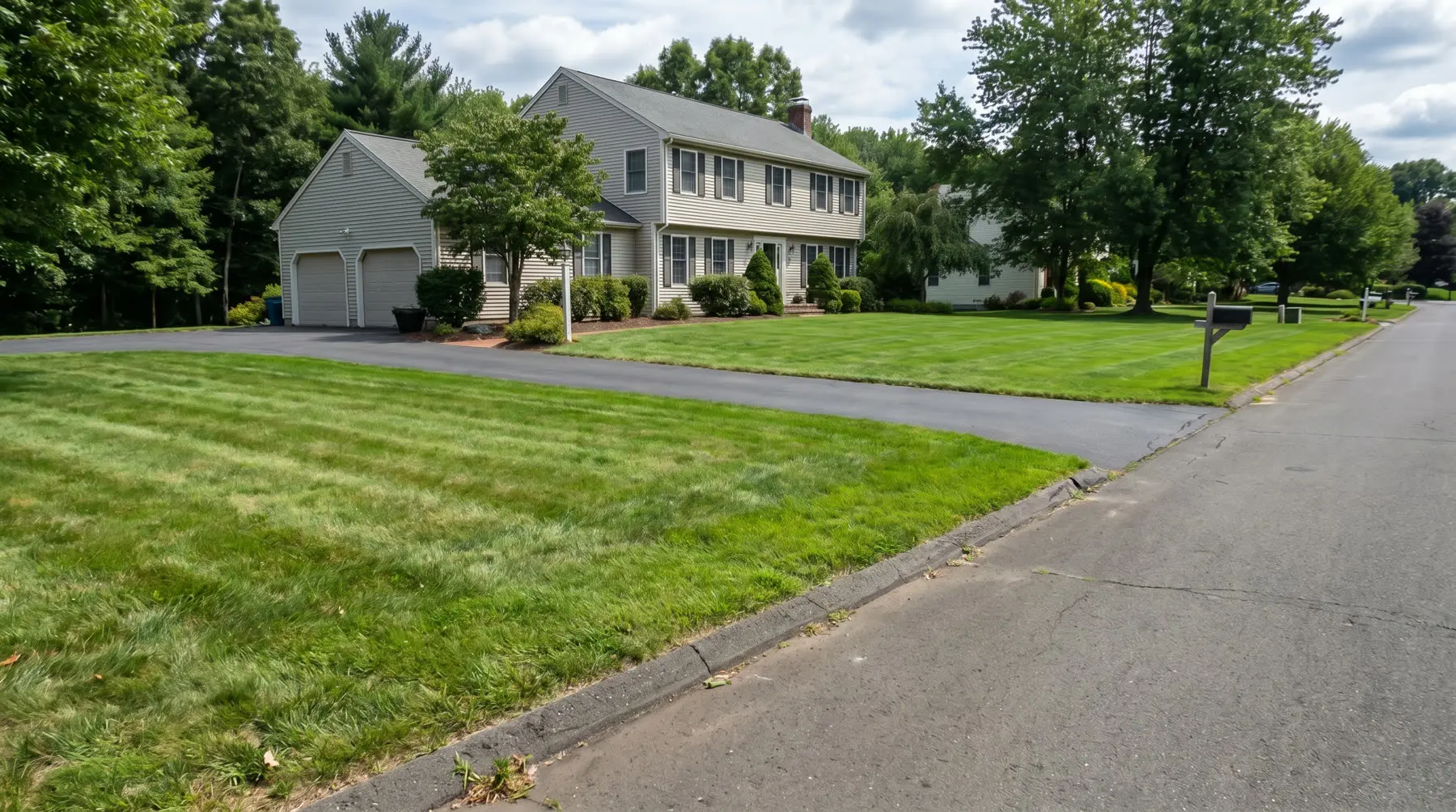
You're doing a renovation that generates debris over days or weeks. A kitchen gut, bathroom remodel, or roofing project — if debris accumulates over time, having a container on-site to fill at your pace is often more efficient. You're not scheduling around a crew's arrival.
You or your crew will do the loading anyway. Contractors who are already on-site and moving material often find a dumpster cheaper and simpler — they're loading themselves regardless.
You have very high volumes of heavy material. Dense construction debris (concrete, tile, dirt) is expensive per pound to haul regardless of method, but dumpsters priced for construction use are set up for weight tolerance in a way that can be economical for large demolition projects.
The costs, honestly
Junk removal: One Call's pricing runs from a $159 minimum (1–2 items) to $649 for a full van. For a typical 2/3-van job — a garage cleanout or large appliance haul — you're looking at $449. No permit fees, no overage surprises, no second trip if we can load it in one. Final price always confirmed on-site. See our full junk removal cost guide.
Dumpster rental in Connecticut: A 10-yard container (the smallest common size) typically runs $250–$400 for a week's rental. A 20-yard container runs $400–$600. These prices usually include one week of rental; an extra week adds cost. Weight overages can add $75–$150 or more depending on the company's cap.
For a single-day cleanout job, junk removal and dumpster rental often come out in a similar price range — but with junk removal you're not doing any of the work.
A few things neither option covers
Both junk removal companies and dumpster rental companies have limits on what they'll accept. Hazardous materials — paint, chemical solvents, propane tanks, motor oil, asbestos — can't go in either. These require special disposal through your town's hazardous waste program.
Also: we don't take pianos or hot tubs. If that's on your list, you'll need a specialist for those items specifically — we're happy to handle everything else on the same job. See the full list of what we can (and can't) take.
FAQ
Is junk removal cheaper than renting a dumpster?
It depends on the job. For a single-visit cleanout where you don't want to load anything yourself, junk removal is often comparable in price and significantly easier. For multi-day renovation debris, a dumpster can be more economical if you're filling it over time.
Can I combine both — a dumpster for the renovation debris and One Call for the furniture?
Absolutely. Some homeowners do exactly that — use a dumpster for the construction waste and call us for the furniture, appliances, and general household items that need careful loading and sorting for donation.
What if I'm not sure how much junk I have?
Text a few photos to (475) 250-1296. We'll give you a quote range and tell you honestly if a dumpster might be a better fit for your situation. We'd rather give you the right answer than the one that makes us a sale.
Do dumpster rental companies in CT require a permit?
If the dumpster goes on a public street or sidewalk, yes — many Connecticut municipalities require a permit. If it stays in your driveway on private property, typically no. Check with your town directly; requirements vary by municipality.