Before you schedule a pickup, it helps to know what's actually going to leave on the truck — and what won't. Most junk removal companies have the same handful of exceptions, mostly around safety and legal disposal requirements. Here's the complete rundown for One Call specifically.
What One Call takes
The short answer is: most things in a typical home, garage, or cleanout.
Furniture
- Sofas, loveseats, sectionals, sleeper sofas
- Chairs, recliners, ottomans
- Tables (dining, coffee, side, end)
- Dressers, wardrobes, armoires
- Desks, bookcases, shelving
- Bed frames, headboards, footboards
- Cribs and children's furniture
Appliances
- Refrigerators and freezers
- Washers and dryers
- Dishwashers
- Stoves and ovens (gas and electric)
- Microwaves
- Air conditioning window units
- Water heaters
- Dehumidifiers and humidifiers
- Small appliances (toasters, coffee makers, blenders, etc.)
Note: We dispose of refrigerants in compliance with EPA regulations. You don't need to do anything special to prepare a fridge or AC unit.
Mattresses and bedding
- Mattresses of all sizes (twin, full, queen, king, California king)
- Box springs
- Foam toppers and pads
Electronics
- TVs (all sizes and types)
- Monitors, printers, computers
- Stereo equipment, speakers
- Gaming consoles
- Small electronics and cables
Construction and renovation debris
- Drywall and plaster
- Lumber, scrap wood, doors, windows (non-tempered)
- Flooring: hardwood, laminate, tile, carpet, vinyl
- Fixtures: sinks, toilets, tubs (standard residential; not full demolition sites)
- Renovation materials and packaging
Garage and basement items
- Power tools and hand tools
- Bicycles and scooters
- Shelving units and storage racks
- Boxes of household goods, books, clothing
General household junk
- Bags and boxes of household items
- Toys and sporting goods
- Decorations, holiday items
- Old rugs and carpets
- Clothing and textiles
- Mirrors (standard residential sizes)
Estate and property cleanouts
The full contents of a home, garage, attic, basement, or storage unit — essentially anything that needs to come out. See our estate & property cleanout service.
What One Call does NOT take
Some materials can't go in a standard junk removal truck. This isn't a policy we invented — it's how transfer stations and disposal regulations work.
Hazardous waste — these require special disposal
- Liquid paint (full cans of latex or oil-based paint)
- Chemical solvents, adhesives, and strippers
- Motor oil, transmission fluid, antifreeze
- Pesticides, herbicides, and fertilizers
- Propane tanks (full or partially full)
- Car / lead-acid batteries (household AA/AAA are typically fine in small quantities)
- Asbestos-containing materials
Connecticut runs household hazardous waste (HHW) collection events throughout Fairfield County. Your town's public works department can tell you the nearest drop-off date and location. Empty paint cans and dried paint are generally fine to throw in regular trash.
Specialty large items
- Pianos — we don't take pianos. The weight, the size, and the risk of structural damage to the instrument (and the floor) make this a specialist move. Piano movers who also handle disposal are the right call.
- Hot tubs — we don't take hot tubs. Disconnecting plumbing and electrical, breaking down the cabinet, and hauling a 400–800 lb shell is a specific job. There are companies in Connecticut that specialize in hot tub removal.
If pianos or hot tubs are part of an otherwise large cleanout, we can take everything else and let you arrange specialists for those items specifically.
Biohazard and medical waste
- Needles, sharps, medical equipment
- Biohazard situations (trauma scenes, severe mold, sewage)
- These require licensed biohazard remediation companies
Not sure if we take it? Text a photo — we'll tell you in about a minute.
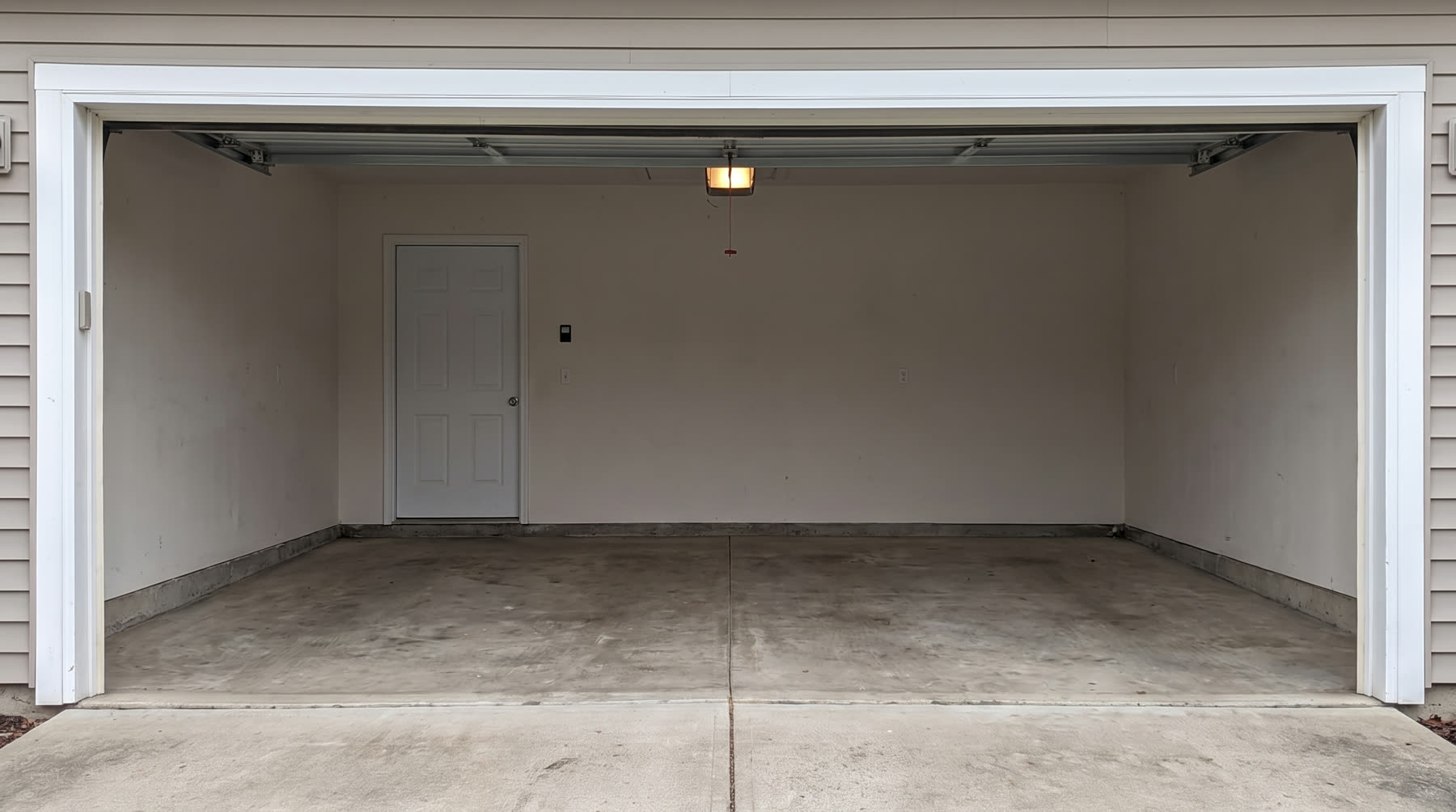
What happens to items after we haul them?
Donation: When furniture, clothing, electronics, and household goods are in usable condition, we bring them to local Goodwill or Salvation Army locations rather than the transfer station. If donation matters to you, mention it when you book — we'll make an effort.
Recycling: Metal items, electronics, and certain materials are separated for recycling where possible.
Disposal: Everything else goes to a licensed solid waste transfer station in Connecticut. We use permitted facilities — no illegal dumping.
We don't guarantee that every item will be donated (condition matters), but for items that clearly have useful life left, we route them accordingly.
How to know if your specific item is accepted
The fastest way: text us at (475) 250-1296 with a photo or quick description. We'll tell you on the spot if it's something we take. For unusual items — large quantities of construction debris, things you're unsure about, specialty materials — a quick text takes 30 seconds and prevents surprises on job day.
A few real-world questions we get:
- "A refrigerator full of food?" Empty the fridge first; we'll take the unit.
- "An old propane grill?" The propane tank has to go to a hardware-store exchange or a disposal site — give us a call and we'll talk through the grill itself.
- "An old car battery?" No — auto parts stores often accept these for recycling.
FAQ
Do you take really heavy items, like a gun safe or large concrete blocks?
Gun safes and extremely heavy single items are assessed case by case — weight, size, and accessibility all factor in. Call us at (475) 250-1296 before booking. Concrete blocks and masonry debris carry the construction-debris surcharge of $50 per quarter-ton given the weight.
Can you take e-waste and old TVs?
Yes, we take TVs and general electronics. Give us a quick call or text describing what you have and we'll confirm before we come out.
I have some paint cans in my garage. Which are OK and which aren't?
Empty cans are fine. Full or partially full cans of liquid paint — latex or oil-based — are household hazardous waste and need to go through your town's HHW program. Dried-out paint in cans is generally accepted in regular trash; check your town's guidelines.
Do you take items from a storage unit?
Yes. Storage unit cleanouts are one of the most common jobs we do. We can work directly at the unit location and haul everything out in one visit.